What Every Homeowner Should Know Before Excavation
Avoid costly add-on services, delays and property hazards by knowing what to expect before excavation begins.
September 8, 2025 · 2 min read
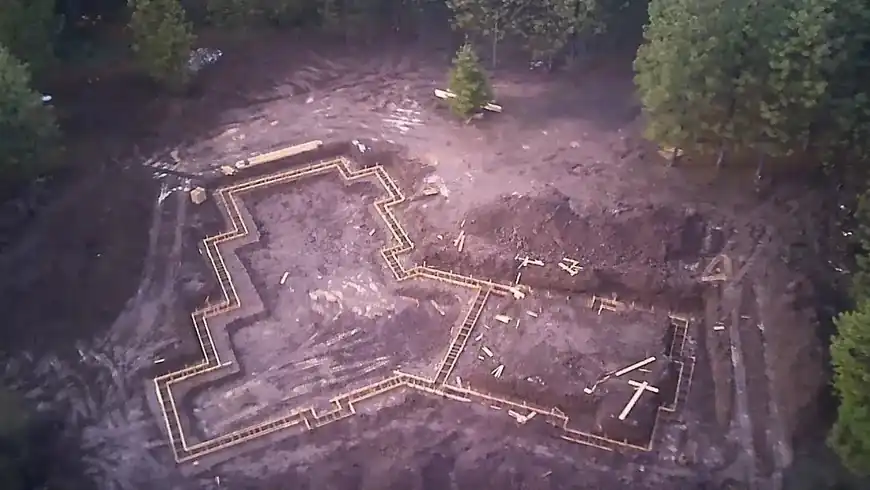
Avoid costly add-on services, delays and property hazards. Here is what every homeowner should know before excavation, from Fisher Construction, a Central Washington residential groundworks company.
Tips for safe residential excavation:
- Hire an experienced excavation contractor
- Test for soil type and stability
- Assess drainage and water control needs
- Avoid digging too close to existing structures
Hire an Experienced Excavation Contractor
When planning an excavation project, hiring a licensed, insured excavation contractor is the single most important decision you can make to protect against damage and liability risks and to see the job finished on time. Here is how our team manages new home construction and addition excavation projects safely:
- We hire only trained, experienced residential and commercial excavators
- Our groundwork company stays up to date on building codes and permits, zoning rules, setbacks and utility easements
- We contact 811 before starting every project to identify water, gas, sewer and electrical lines
- Our excavation crews use current sloping, shoring and shielding methods to prevent dangerous cave-ins and protect existing buildings
- We include ladders, ramps or steps in trenches for rapid emergency exit
- Our team installs signage, fencing or barriers on site to keep children, pets and unauthorized people away
- We monitor the weather for rain and freezing conditions to reduce the likelihood of soil instability and collapse
Test for Soil Type and Stability
We analyze the soil before digging to identify its composition. Determining sand, clay and moisture content helps decide the best excavation methods and stability measures for your site. These may include sloping, bracing, geotextiles, gravel filling and compacting to prevent soil instability, settling, collapse and post-construction damage.
Assess Drainage and Water Control Needs
High groundwater levels and poor drainage can cause soil erosion and stability issues, and excavation can shift how water flows. We identify how existing buildings, trees and slopes affect water flow and drainage patterns so your property stays protected. We'll make the necessary grade changes, install sump pumps and drainage to manage water flow, and add erosion control measures like retaining walls, silt fencing and vegetation. We plan each project in detail to prevent foundation damage, basement leaks, pooling water, runoff and soil instability.
Avoid Digging Too Close to Existing Structures
We take special care when digging near existing structures such as foundations, outbuildings, driveways, patios and retaining walls. Digging too close to footings or a foundation can destabilize them, resulting in soil settling, shifting and structural damage. Our contractors perform excavation near existing structures safely, using shoring, bracing and underpinning to maintain soil stability, along with equipment that limits damage from vibration.
Avoid Common Mistakes Homeowners Make During Excavation
Plan for a surprise-free project by learning what every homeowner should know before excavation. Contact Fisher Construction at (509) 424-6072 to schedule a project consultation in the Yakima Valley.
Fisher Construction, LLC, (509) 424-6072
Call (509) 424-6072More articles
Retaining Wall Requirements in Central Washington
Rolling, hillside landscapes are beautiful, but they bring construction, maintenance and safety challenges that a retaining wall can solve.
What Can Go Wrong During Excavation?
Understanding the most common excavation problems, and how experienced contractors solve them, sets up a smooth, stress-free build.