Retaining Wall Requirements in Central Washington
Rolling, hillside landscapes are beautiful, but they bring construction, maintenance and safety challenges that a retaining wall can solve.
August 24, 2026 · 2 min read
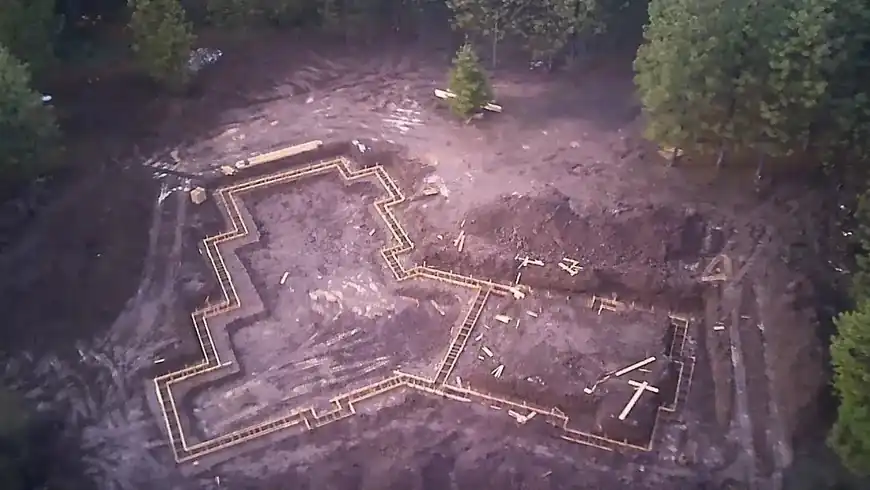
Rolling, hillside landscapes offer beauty, but they can also present significant challenges, both in construction and in ongoing maintenance and safety. Fisher Construction helps you understand when you might need a retaining wall for a sloped yard.
Three signs you need a retaining wall:
- Your property has a steep slope exceeding a 2:1 or 3:1 incline
- The ground shows signs of active soil erosion
- You're building a foundation on moisture- or clay-heavy soil
How to Tell If Your Property Needs a Retaining Wall Before You Build
Retaining walls improve function, safety and appearance. They hold back soil, manage water flow, protect against erosion, and open up new possibilities for outdoor living and gardening when they are thoughtfully integrated into your landscape. Washington State and your local government may require a retaining wall for your construction project depending on your property's slope and soil characteristics.
When You Need a Retaining Wall for Steep Slopes
We recommend retaining wall construction in Central Washington anytime a landscape slope meets or exceeds a 2:1 or 3:1 incline, or 2 to 3 units of vertical rise for every 1 unit of horizontal run. To ensure safe, long-term use, we conduct soil and slope assessments for every new home and building we construct to determine whether a retaining wall is necessary. This matters most when building on a steep slope and when driveways and other structures are placed above retaining walls.
When You Need a Retaining Wall to Prevent Soil Erosion
If you notice these common signs of soil erosion, your property could benefit from a retaining wall:
- Small channels or gullies resulting from runoff after heavy rain
- Dirt deposits on driveways and walkways from nearby hills
- Voids under paved surfaces and subsequent cracks or sinking
- Bare patches, unhealthy vegetation and tilting trees
- Standing water or spongy soil
Our groundwork contractors know how to mitigate these issues by integrating retaining walls and drainage, backfilling with gravel, and properly sloping your property to channel water safely away. That prevents the erosion and puddling that can undermine foundation stability.
When You Need a Retaining Wall for New Construction
If you're building a new home or structure on a property with clay or moisture-heavy soil, you may need to include a retaining wall as part of your foundation and grading plan. Downhill pressure from soil and moisture on sloped lots can exert incredible force on a foundation, causing it to shift and crack and increasing the chance of structural and water damage. A retaining wall with proper drainage supports the soil and distributes its weight and water, protecting your foundation.
In addition to safeguarding your foundation, retaining walls and terraces create level, stable surfaces for roadways and driveways, and add usable yard space for outdoor living, workshops, gardens, kids' play areas and more.
Find Out If You Need a Retaining Wall in the Yakima Valley
How can you tell if your property needs a retaining wall before you build? Schedule a retaining wall site assessment with Fisher Construction. Contact our groundwork team at (509) 424-6072 today.
Fisher Construction, LLC, (509) 424-6072
Call (509) 424-6072More articles
What Can Go Wrong During Excavation?
Understanding the most common excavation problems, and how experienced contractors solve them, sets up a smooth, stress-free build.
Best Pergolas for Yakima Valley Homes
The right pergola material depends on how you use your outdoor space, your design preferences, your maintenance goals and your budget.