How Weather and Soil Conditions Impact Your Excavation Timeline
Planning your excavation around Central Washington weather and your soil conditions helps you avoid costly delays.
September 8, 2025 · 2 min read
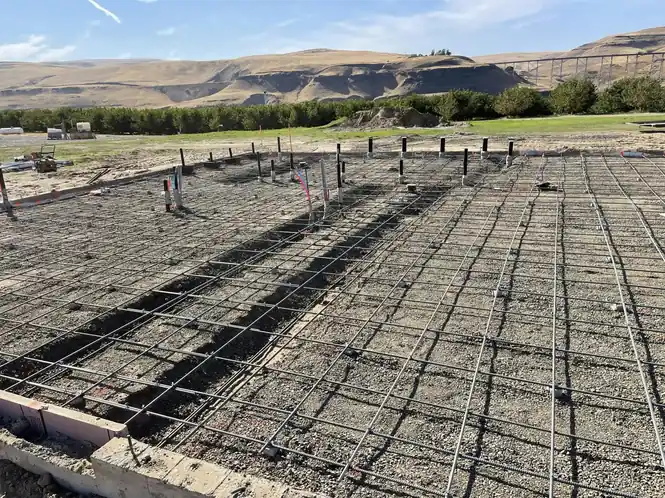
Are you dragging your feet on scheduling excavation in Central Washington? Planning your excavation at the right time to manage weather and its effect on soil conditions can help you avoid costly challenges and delays. Here is how weather and soil conditions impact your excavation timeline.
How rainy weather affects excavation: rain increases the risk of soil instability and collapse, causing significant project delays.
How freezing weather affects excavation: freezing weather makes excavation slow and difficult, adding to your timeline and costs.
How soil conditions affect excavation: the type of soil and its effect on drainage and stability influence the tools, techniques and timing required for a successful excavation.
Planning prevents seasonal excavation issues: adjusting your excavation schedule to limit the effect of problem weather helps ensure timely project completion.
How Rainy Weather Affects Excavation
Our residential and commercial groundwork contractors strongly recommend against excavation in rainy seasons. Rain is a common cause of delays. Frequent and heavy rain softens soil, causing or worsening instability and increasing the likelihood of collapse. Puddling water can fill excavated trenches and holes, requiring pumping. Altered water flow patterns may increase the risk of soil erosion on the site, compromising existing foundations, driveways and retaining walls and leading to future structural issues if left unaddressed. Often, work must stop until the weather and ground conditions improve.
How Freezing Weather Affects Excavation
Frozen, dense ground presents major challenges during excavation. Freezing temperatures can make trench walls slippery, sharp or unstable. Specialty groundwork equipment such as frost teeth, jackhammers and thawing equipment is often needed to dig. Installing electric, water and sewer lines may be delayed to avoid future risks from brittle, unstable soil. If backfilling is needed, the fill must be stored and replaced later with unfrozen soil to prevent shifting or settling. Shorter shifts may also be required to protect workers from the cold. To prevent significant delays and cost increases, we recommend avoiding winter excavation.
How Soil Conditions Affect Excavation
Soil type has a major effect on its moisture-retaining and structural properties. Testing before you begin is essential to identify soil-related issues and keep your plan and timeline accurate.
Sandy soil
Loose, sandy soil collapses more easily and requires reinforcement.
Clay soil
Fine clay particles can hold a significant amount of water for a long time, delaying excavation after heavy or prolonged rainfall.
Rocky or compacted soil
Dense soil and rock are difficult to remove, requiring heavy machinery and longer excavation times.
Unstable soil
Unstable soil may shift, requiring stabilization or removal and then backfilling, which adds time and expense.
Poorly draining soil
Fine soil, improper sloping, inadequate drainage and other site conditions that cause puddling and flooding require additional drainage and erosion control measures before excavation.
Proper Planning Prevents Seasonal Excavation Issues
Fisher Construction plans each excavation around Central Washington weather and your property's soil conditions, scheduling the work at the right time of year to reduce disruption from:
- Dense, frozen winter soil
- Spring rain and mud
- Summer heat and hard, dry drought conditions
- Fall unpredictability, from frequent rain to early freezes
Avoid Excavation Project Delays and Added Costs
Plan for success with help from Fisher Construction. Contact us at (509) 424-6072 to discuss your upcoming residential or commercial construction project in the Yakima Valley.
Fisher Construction, LLC, (509) 424-6072
Call (509) 424-6072More articles
Retaining Wall Requirements in Central Washington
Rolling, hillside landscapes are beautiful, but they bring construction, maintenance and safety challenges that a retaining wall can solve.
What Can Go Wrong During Excavation?
Understanding the most common excavation problems, and how experienced contractors solve them, sets up a smooth, stress-free build.